When a power system is under strain, it matters not only how much electricity a household uses but also when it uses it. Grid operators pay particular attention to peak hours, when many people cook, heat water, wash clothes, cool or heat homes and charge devices at the same time. That is why a simple household load plan is useful blackout preparation.
Start with a quick inventory. Write down appliances that draw substantial power or run for long periods: washing machine, tumble dryer, dishwasher, electric water heater, oven, hob, air conditioner, electric heating, pool pump and, where relevant, an electric-car charger. You do not need a perfect energy calculation. The first goal is simply to identify equipment that can create a large combined load.
Next divide those appliances into three groups. Group one contains essential equipment or devices that must operate at a specific time, including necessary medical equipment. Group two contains tasks that can be shifted, such as laundry, dishwashing and vehicle charging. Group three contains comfort loads that can be skipped entirely when supply is tight. Put the classification on paper so it remains available without internet access.
Now define a personal peak-demand window. If authorities or the grid operator publish specific hours, use those. If not, early evening is often demanding because many households return home and use electricity simultaneously. During that period, do not start deferrable high-power appliances. Laundry and dishwashing can run earlier, and an electric vehicle does not have to charge during the evening peak.
The plan also helps after an outage. When power returns, avoid switching every high-load appliance on at once. Let the refrigerator and essential basic services stabilise first, then add other loads several minutes apart. This reduces the restart surge in your own home and lowers the chance of tripping breakers or overloading a small backup system.
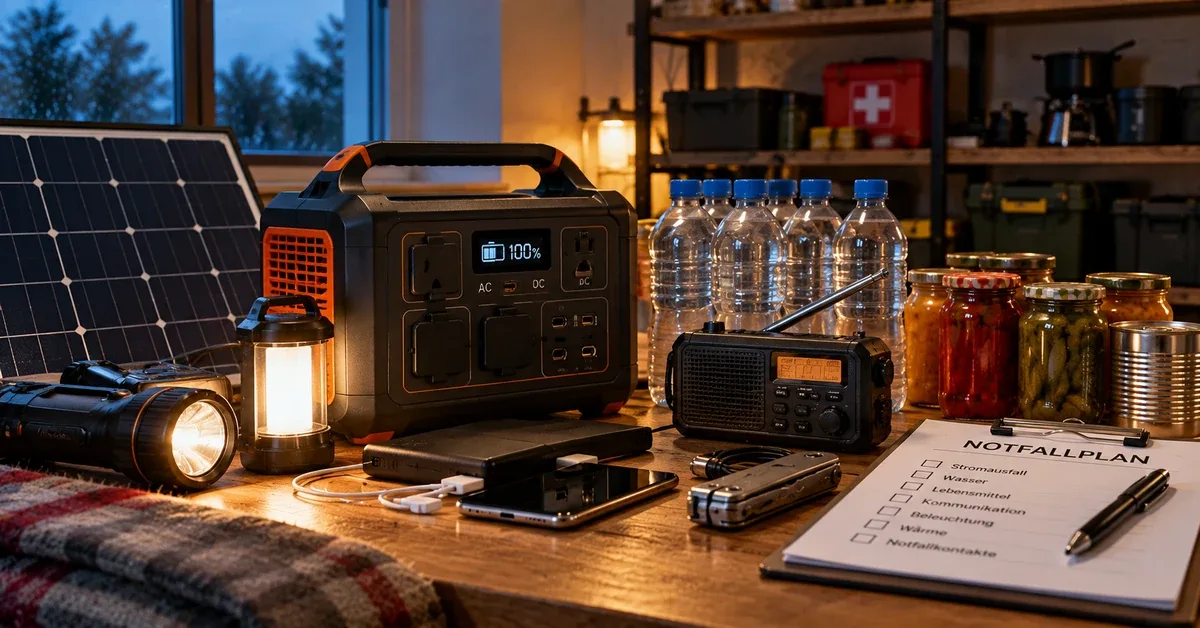
Anyone using a power station, inverter or generator benefits even more from the list. Backup power is limited. A kettle, hotplate and refrigerator together can already exceed the continuous output of a small unit. Mark which appliances are actually permitted on backup power and which must remain disconnected.
A four-column sheet works well: appliance, power, priority and permitted operating time. Keep it near the breaker panel or with your blackout documents. Add the grid operator's phone number and the location of flashlights, power banks and spare batteries. A quick monthly review is enough to keep the plan current.
A household load plan turns a vague request to save electricity into a concrete routine. Everyone knows what can wait, what matters and what should be restarted first. Good blackout preparation is not only about supplies; it is also about simple procedures that still work when people are under pressure.
Guides
General
02.10.2026
Household load plan: shift electricity use away from critical peak hours
A simple load plan identifies which high-power appliances can wait and what should restart first after an outage.