Paying during a blackout: A four-envelope emergency cash plan
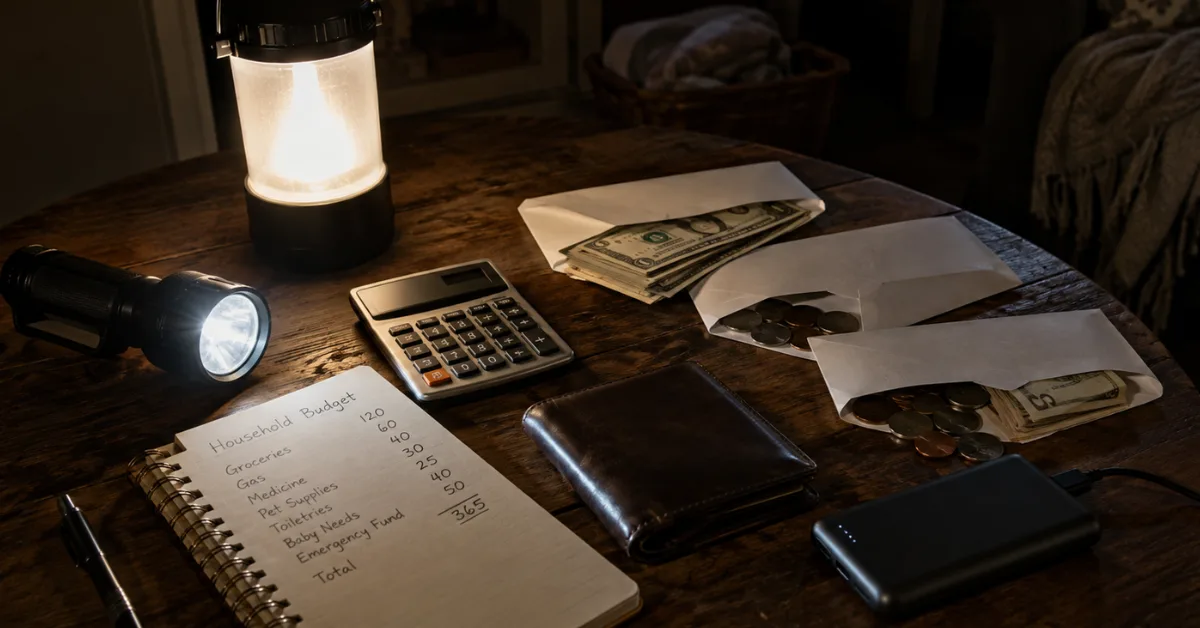
Four separate cash envelopes, small bills and clear shopping priorities help you keep paying when cards, ATMs and digital banking fail.
Learn moreTips
Practical tips for blackout preparation, food storage and simple emergency preparedness.
Four separate cash envelopes, small bills and clear shopping priorities help you keep paying when cards, ATMs and digital banking fail.
Learn more
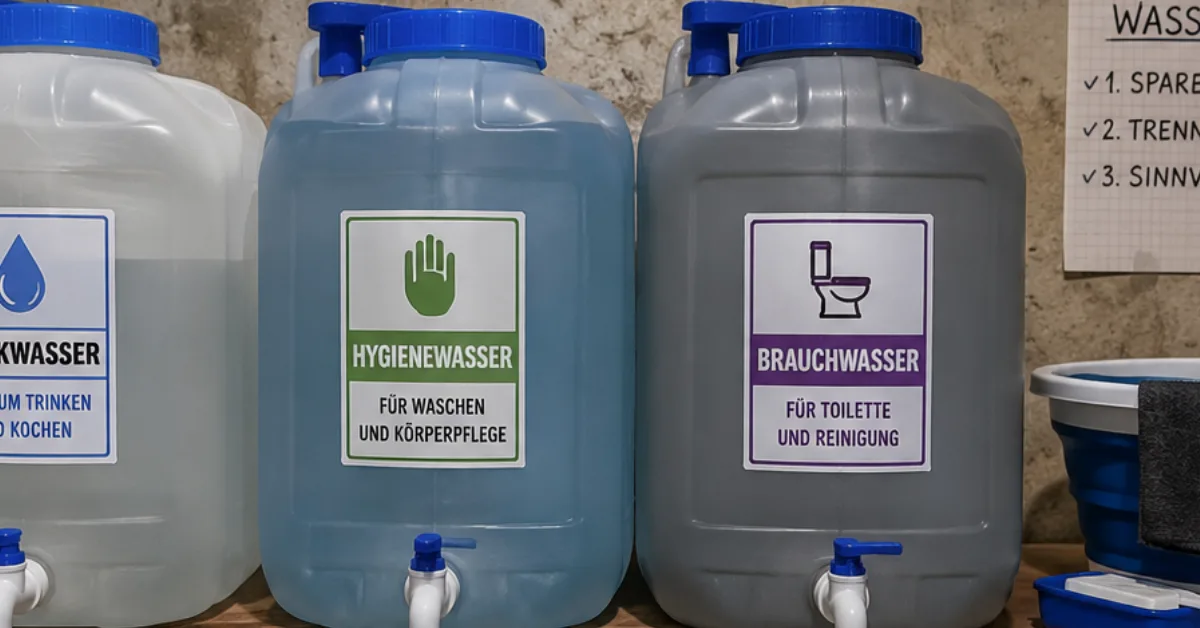
Three clearly separated and labeled containers protect drinking water and organize non-potable water safely for hygiene, cleaning and toilet flushing.
Learn more
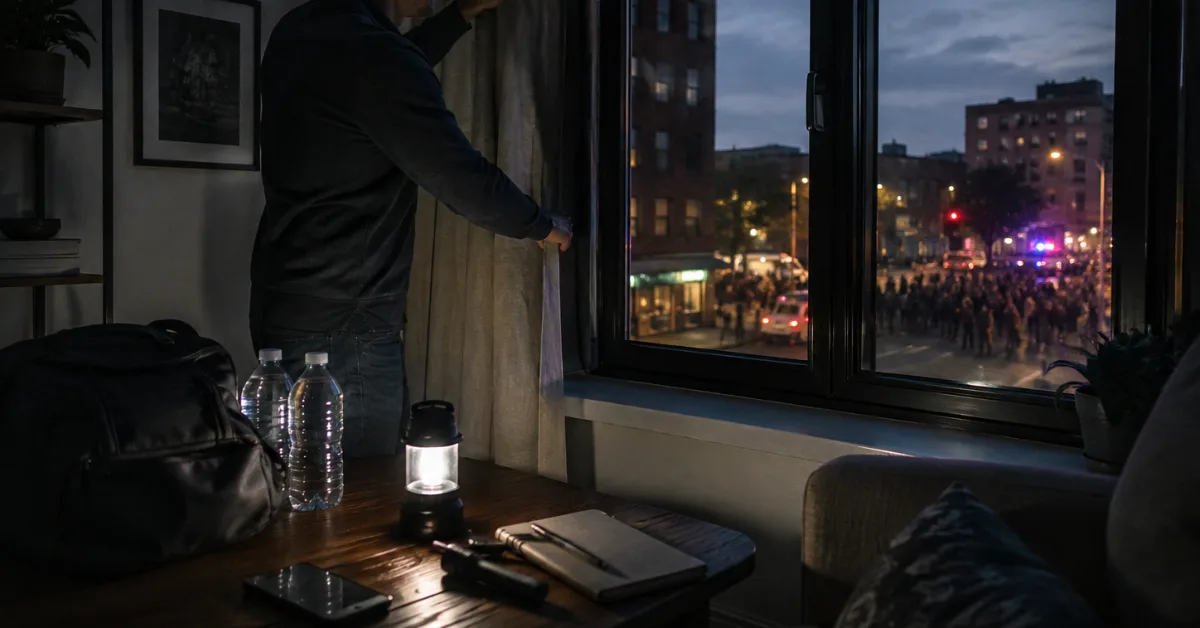
Rioting is not inevitable during a blackout. If local conditions deteriorate, early information, a safe place, clear family arrangements and keeping your distance reduce the risk.
Learn more
When card payments and cash machines fail, direct exchange may help. The key is small, useful goods without risking the household’s own emergency supplies.
Learn more
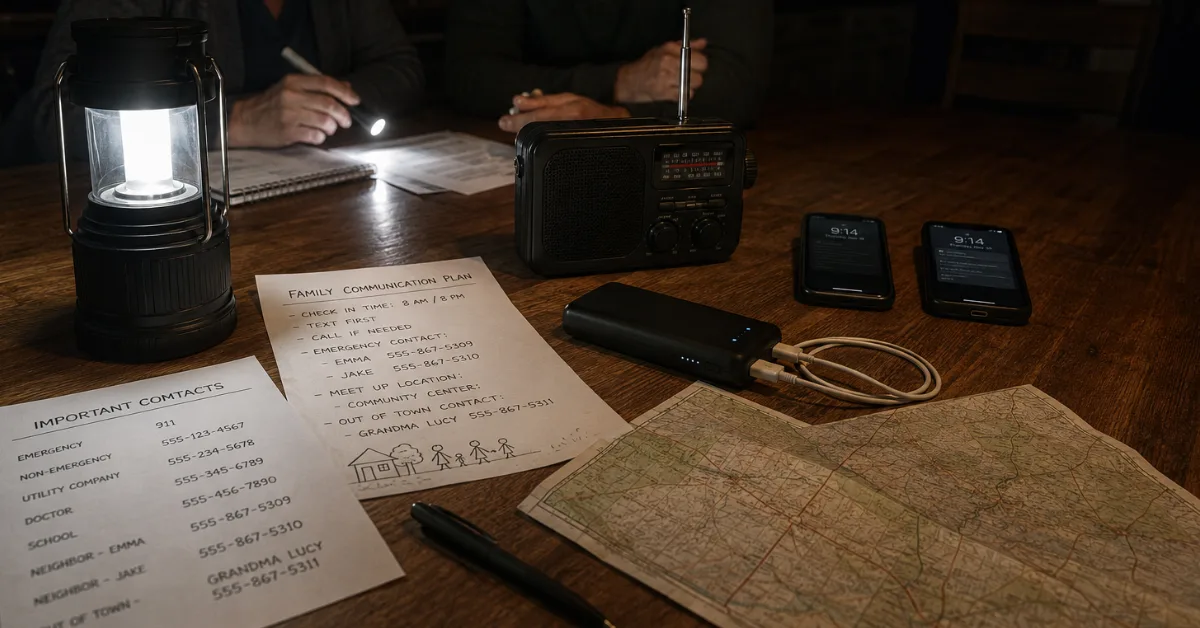
When cellular networks and the internet fail, paper cards, fixed check-in times, trusted contacts and safe message points help families reconnect.
Learn more
One folder in a cupboard is not enough. Protect originals, emergency copies and encrypted backups from outages, fire, water and evacuation.
Learn more
Fireplace, blankets, electric heater or portable fuel heater: not every source is safe during an outage. Learn what is suitable indoors and how to avoid fire and carbon monoxide.
Learn more
A meeting point helps only if it remains safe during storms, flooding, failed traffic lights and blocked roads. Check hazards, access routes, clear landmarks and fallback locations in advance.
Learn more
When cell service, internet and routers begin to fail, clear agreements matter more than frantic calls. A contact list, check-in times, meeting places, battery reserves and several communication channels keep you organized.
Learn more
A well-charged electric car can preserve essential mobility during a power outage. Early charging, a fixed range reserve, alternative chargers, and safe handling of floods and backup-power functions are crucial.
Learn more
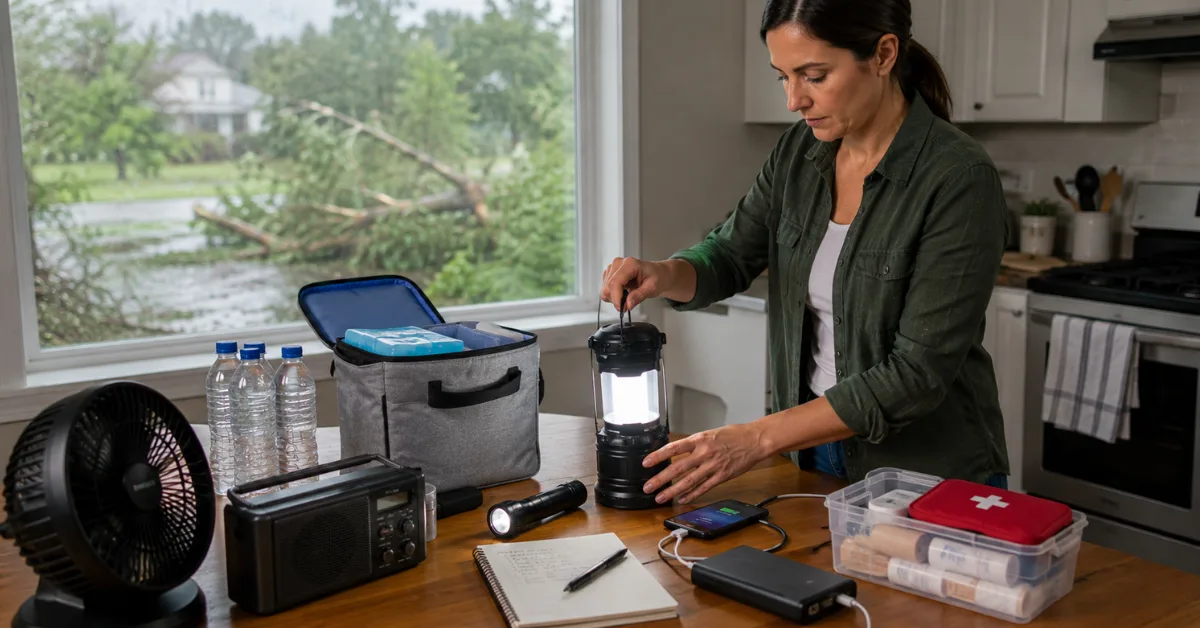
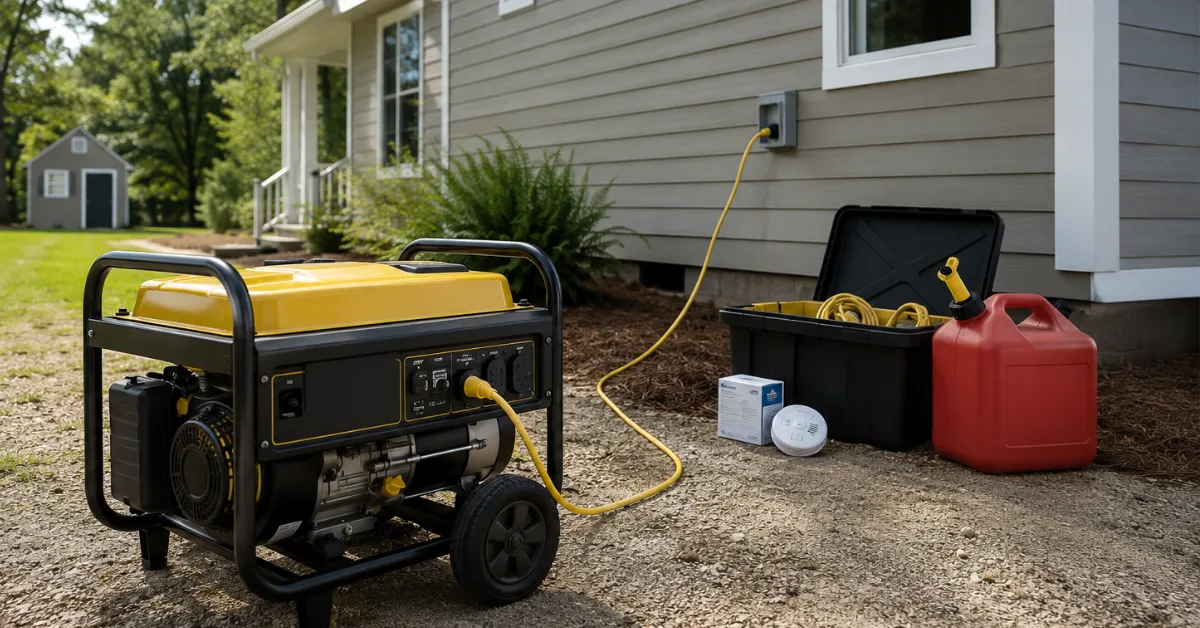
A generator can protect refrigeration, water, and communications. Without a load plan, a safe location, and correct transfer equipment, it can become a serious hazard.
Learn more

A prepared change of clothing can protect you during a prolonged power outage from heat, cold, rain, injury, and poor visibility.
Learn more
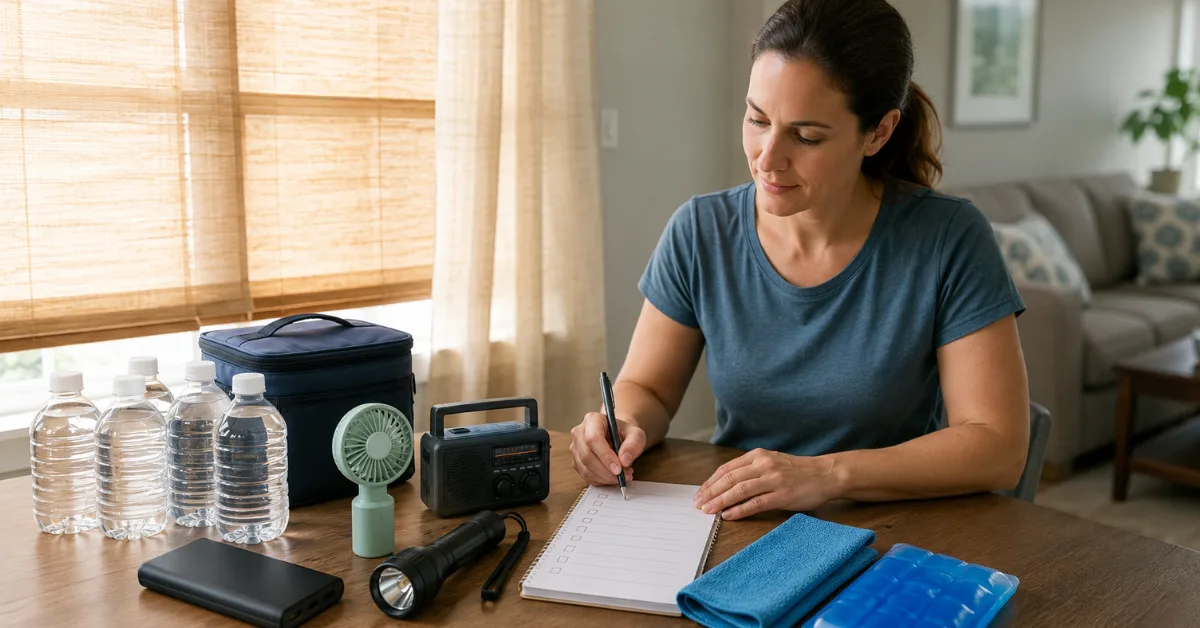
A power outage can leave unsaved work, corrupted files, and damaged drives. A UPS, proper shutdown, and multiple backups protect both equipment and data.
Learn more
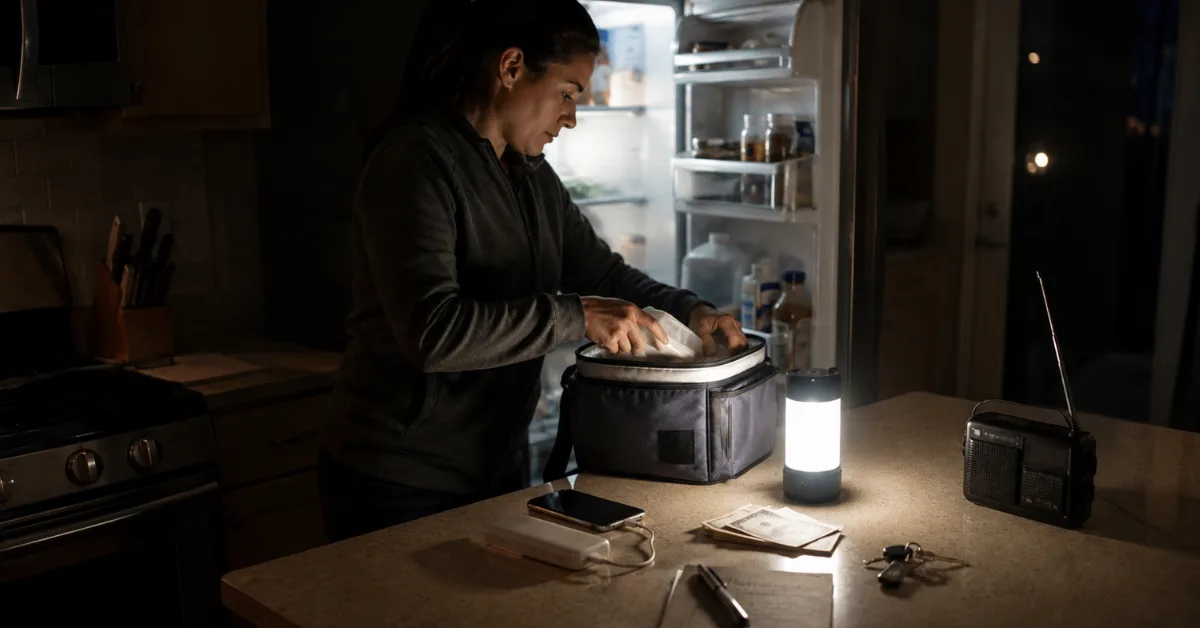
A blackout can rarely be predicted with certainty, but several simultaneous failures, official warnings, and extreme weather can provide useful clues.
Learn more
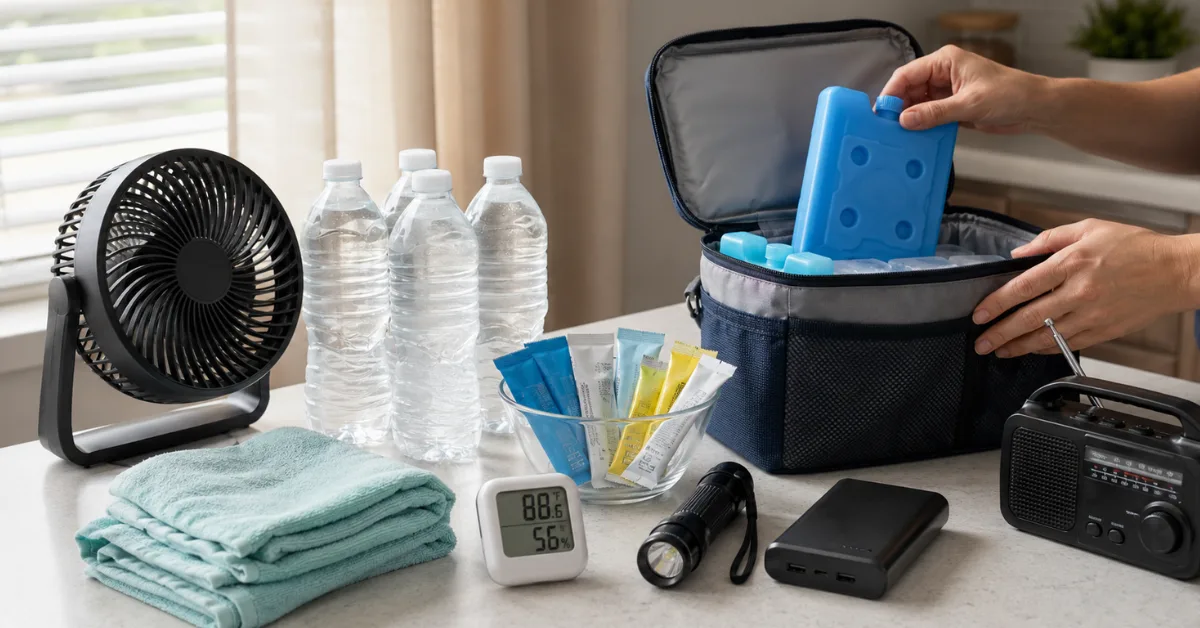
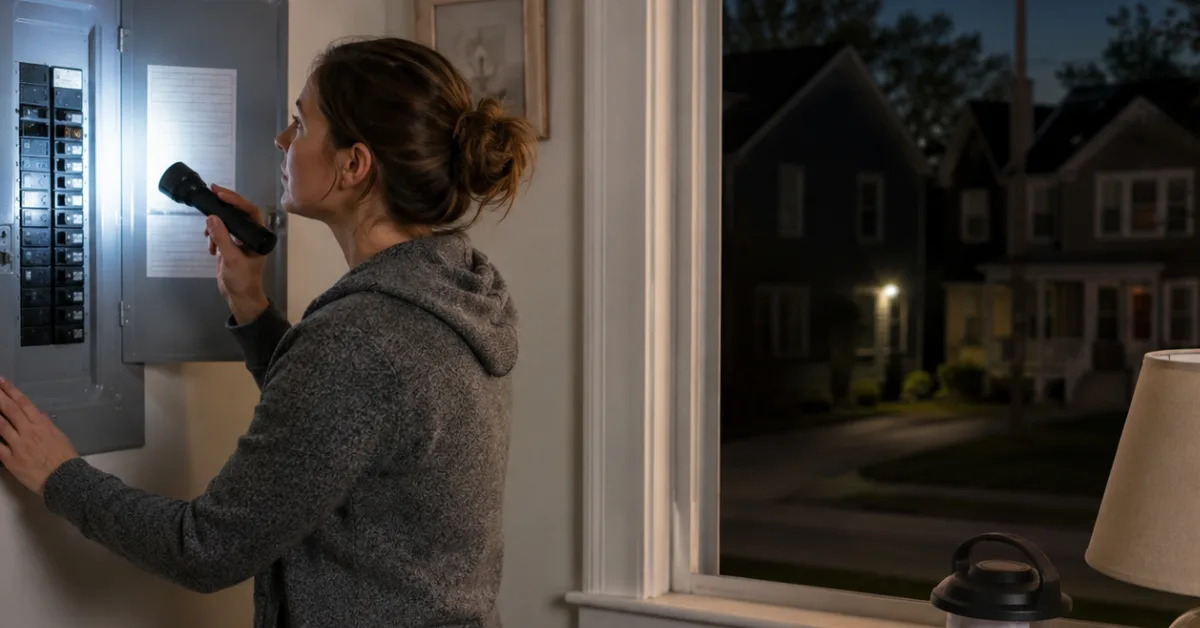
A dark home does not automatically mean a blackout. A calm 15-minute check helps you determine whether the problem is local or affects a much wider area.
Learn more
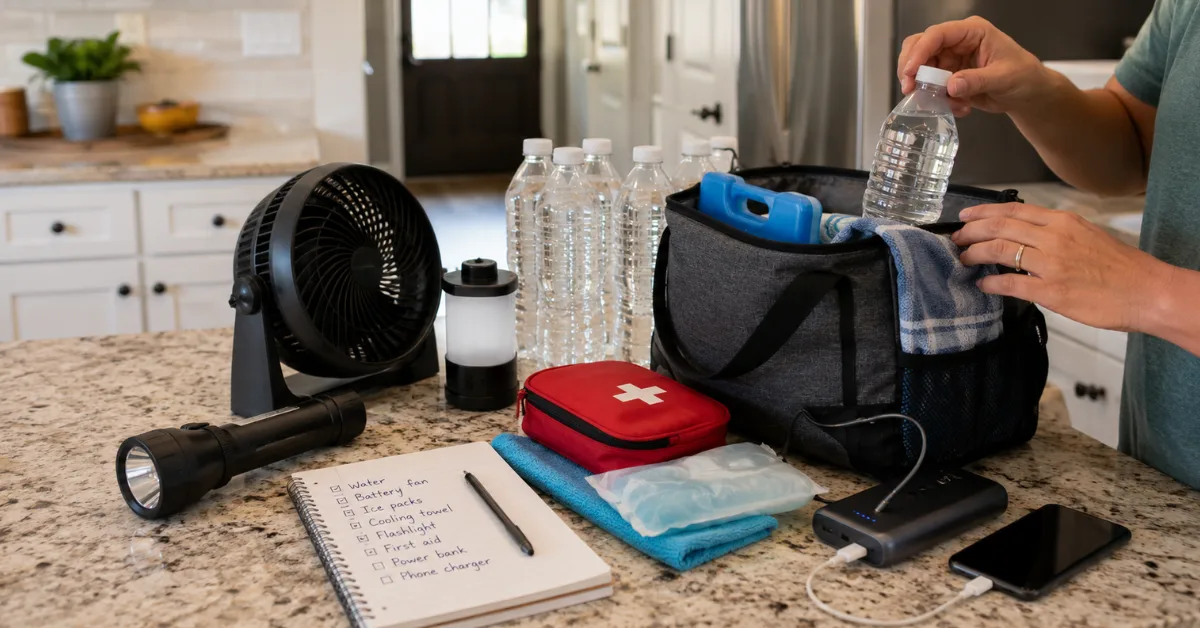
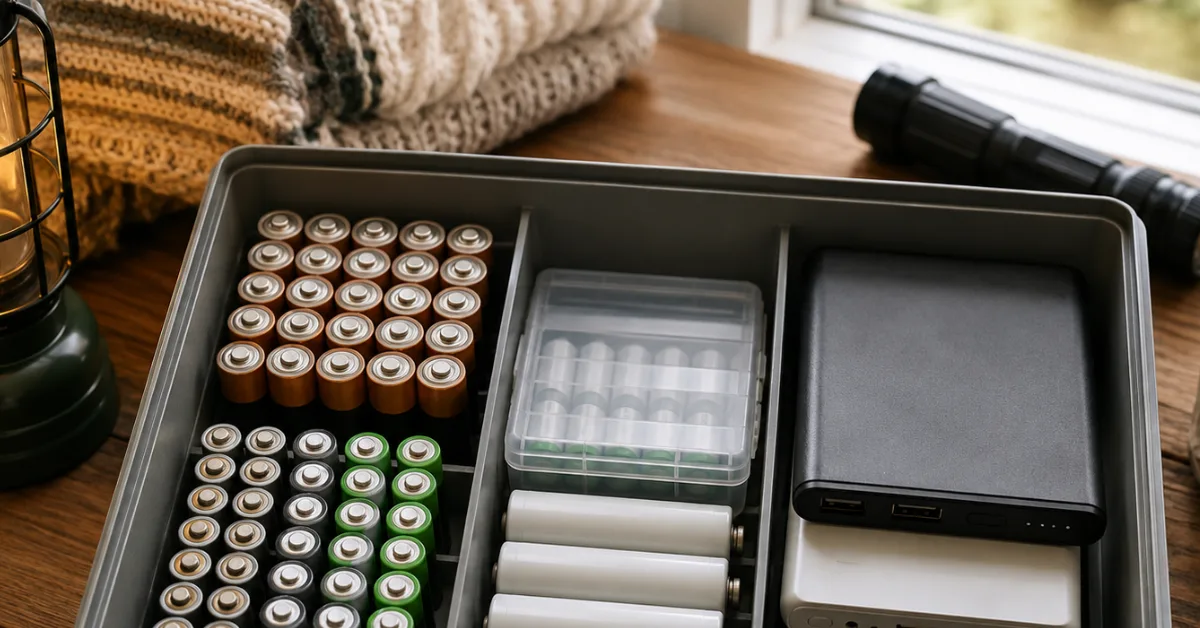
Batteries, rechargeable cells and power banks only help during a power outage when they are stored cool, dry, separated and checked regularly.
Learn more
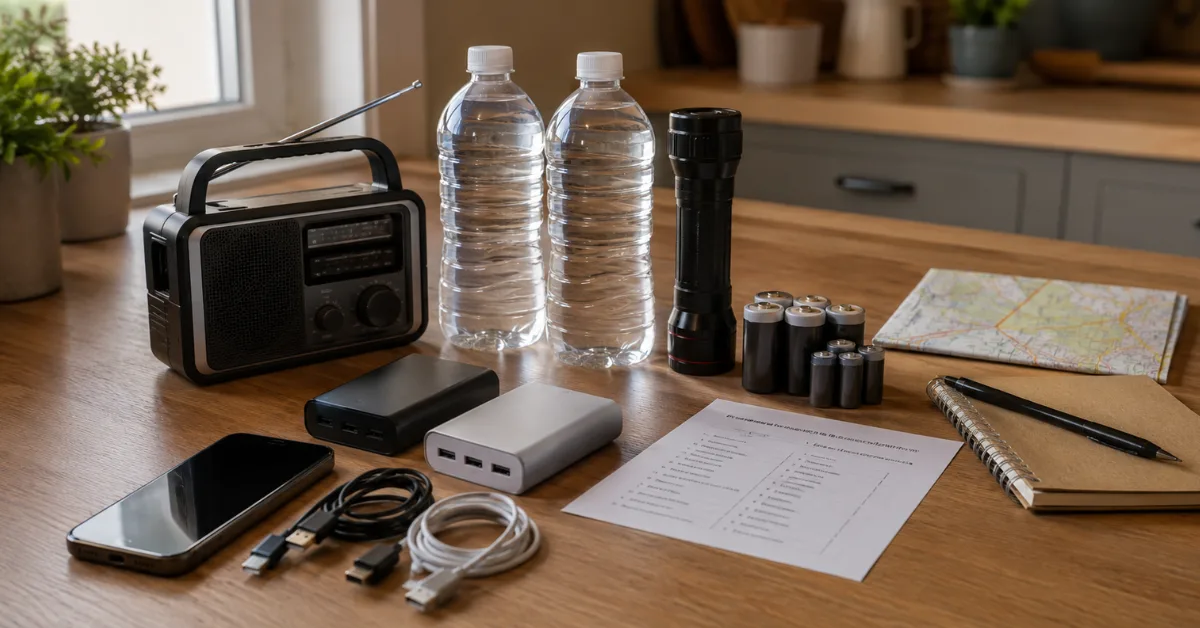
Infant formula, purées, and opened jars can spoil quickly. Clear time limits, small portions, and a cooling plan help protect your baby from harmful germs.
Learn more
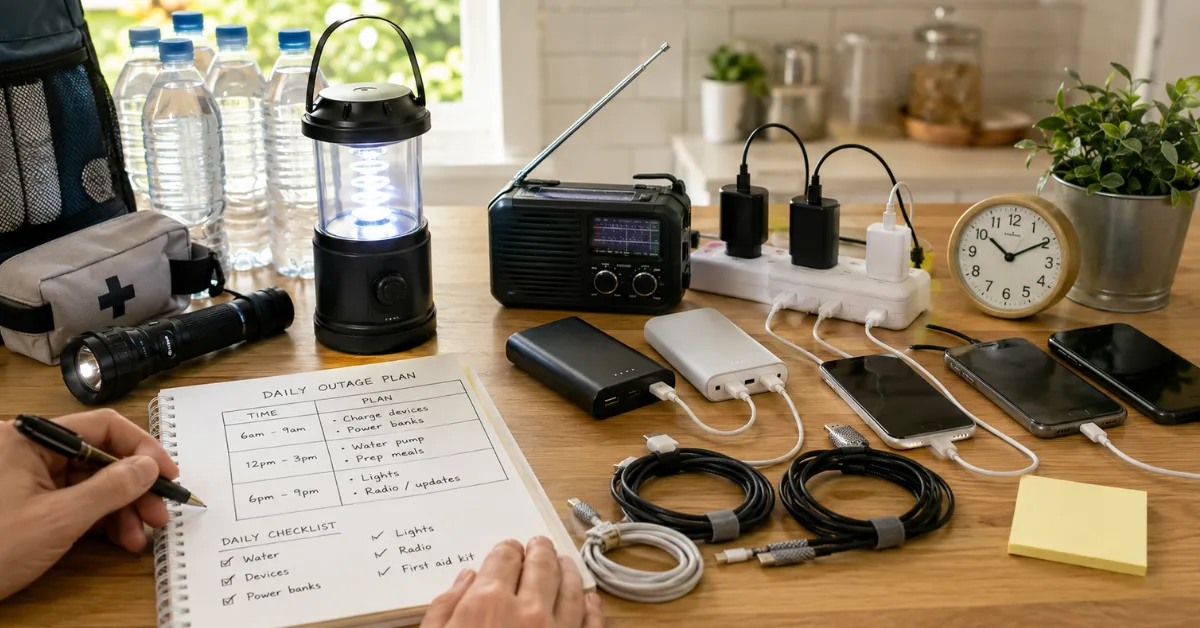
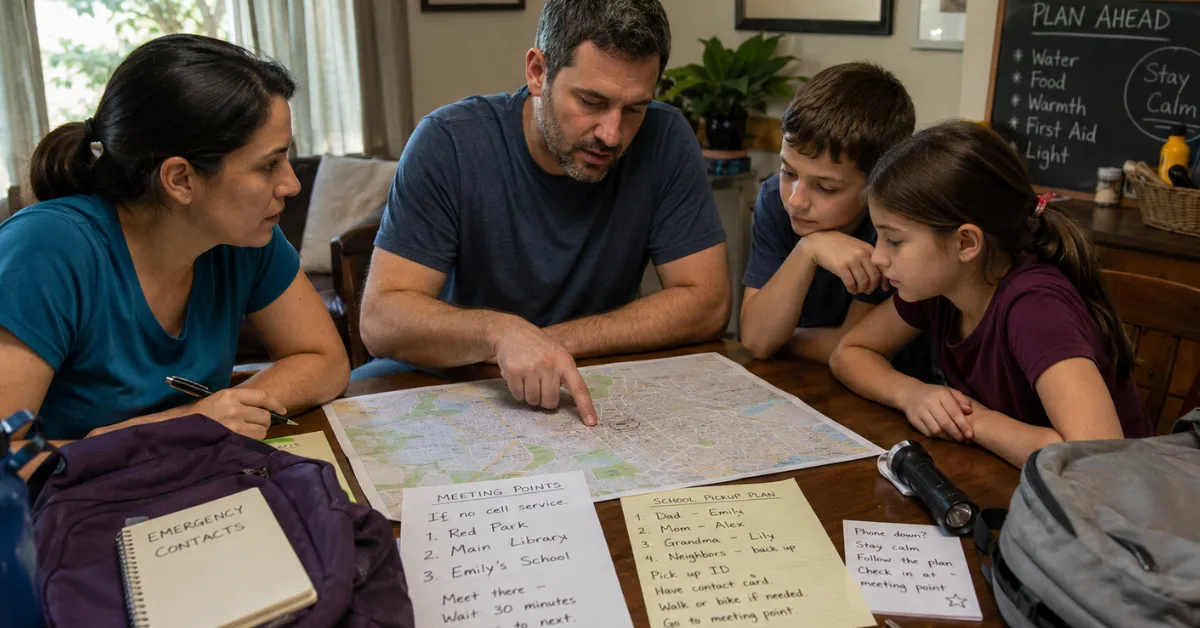
When cell networks and the internet fail, every family needs fixed meeting points and clear responsibilities. This plan decides who picks up the children, where everyone goes and what happens if the first route is blocked.
Learn more

Dark streets, failed outdoor lighting and silent alarm systems can create opportunities for intruders. A calm security plan protects doors, windows, family and neighbors without putting you in danger.
Learn more

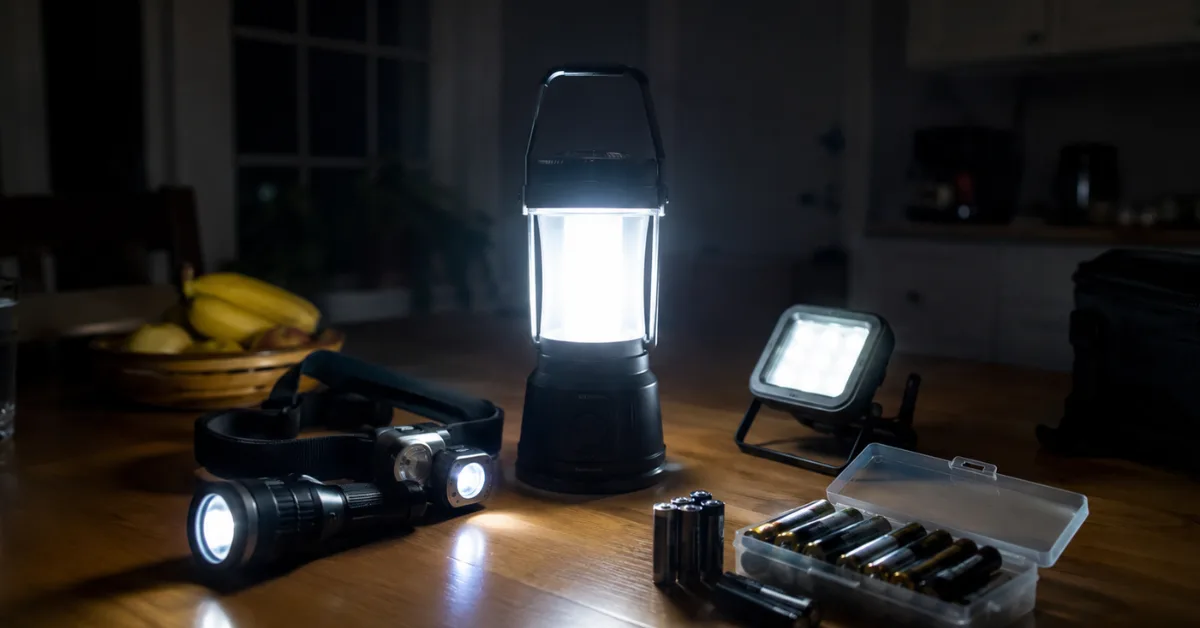
LED lanterns, flashlights, and headlamps are safer than open flames. Plan lighting zones, batteries, and fixed storage points for several nights.
Learn more
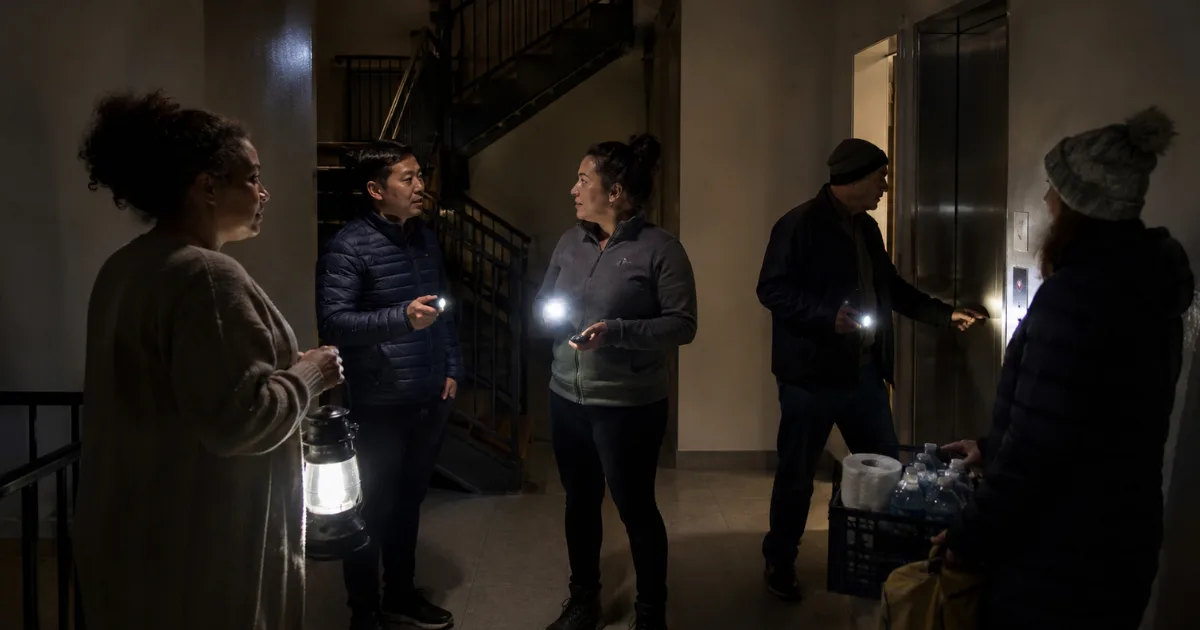
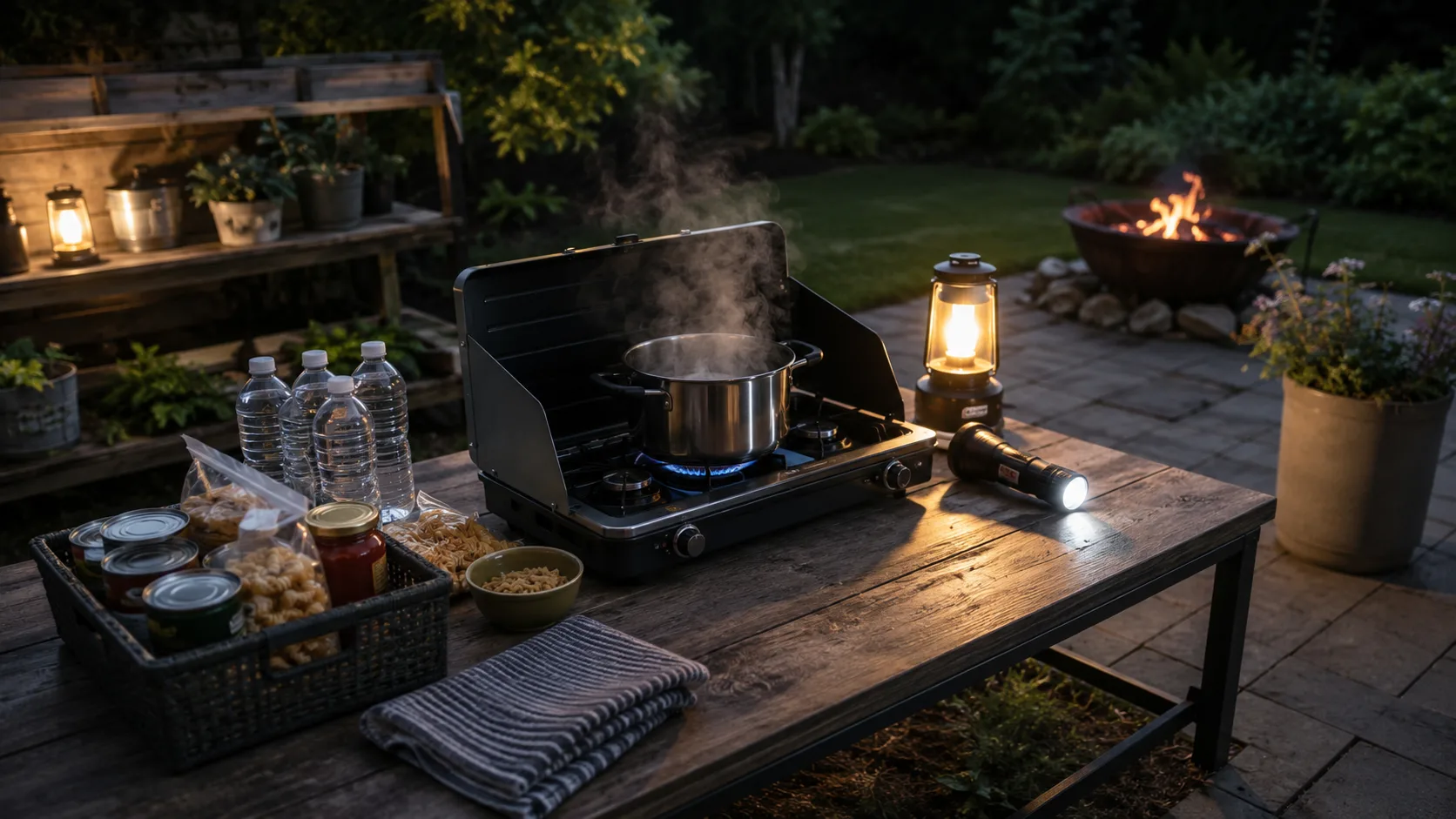
Cold meals, indoor-approved appliances and safe outdoor cooking areas: prepare food without underestimating carbon monoxide or fire hazards.
Learn more
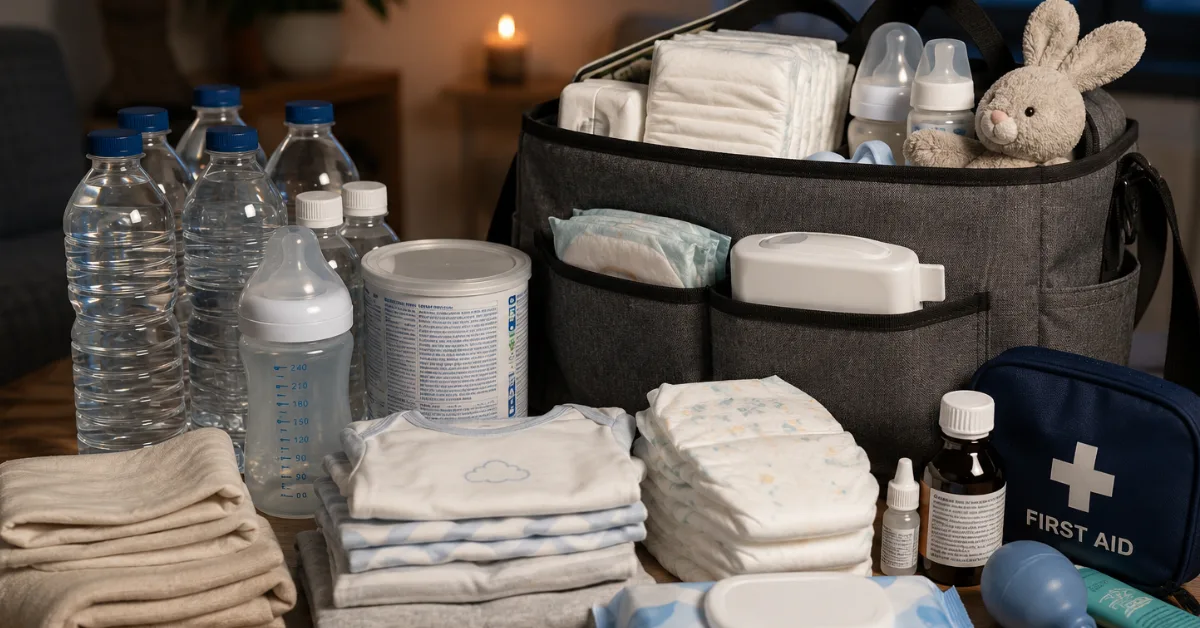
Babies need special preparation during a power outage. A separate supply of food, hygiene items, warmth, safe-sleep equipment and medicines prevents dangerous improvisation.
Learn more
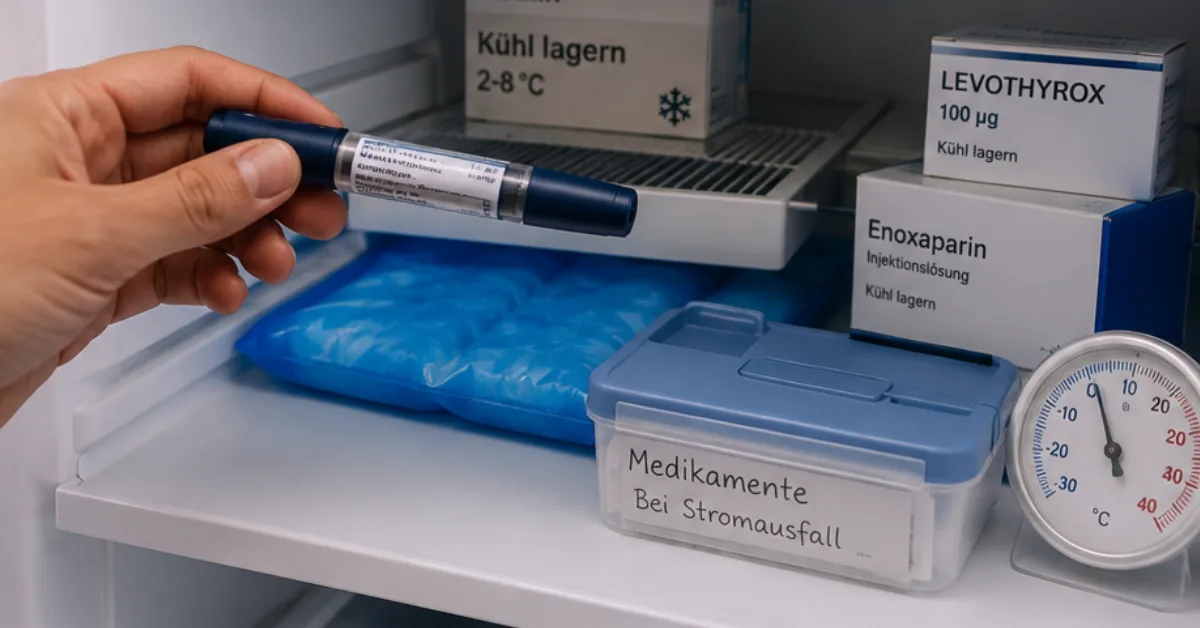
Insulin and other temperature-sensitive medications need a clear emergency plan. Protect them from heat, freezing, and improper storage.
Learn more
When a power outage also disrupts the water supply, the order of priorities matters. This is how to keep hands, skin, and sensitive areas clean without wasting stored water.
Learn more
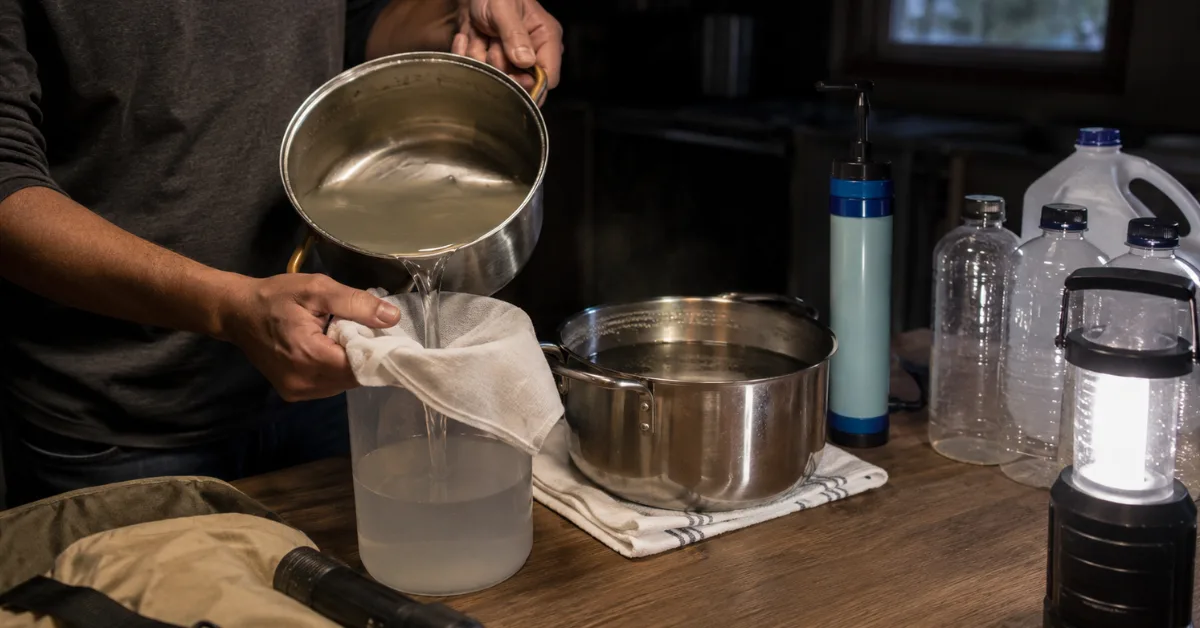
Clear water is not necessarily safe. Following the correct sequence of source assessment, prefiltration, disinfection, and storage reduces the risk.
Learn more
Dry pasta is excellent for a blackout supply, but only when it is stored dry, cool, dark and protected from pests.
Learn more
Rice is a useful emergency food, but only if it is kept dry, tightly sealed and protected from moisture, odours and pests.
Learn more
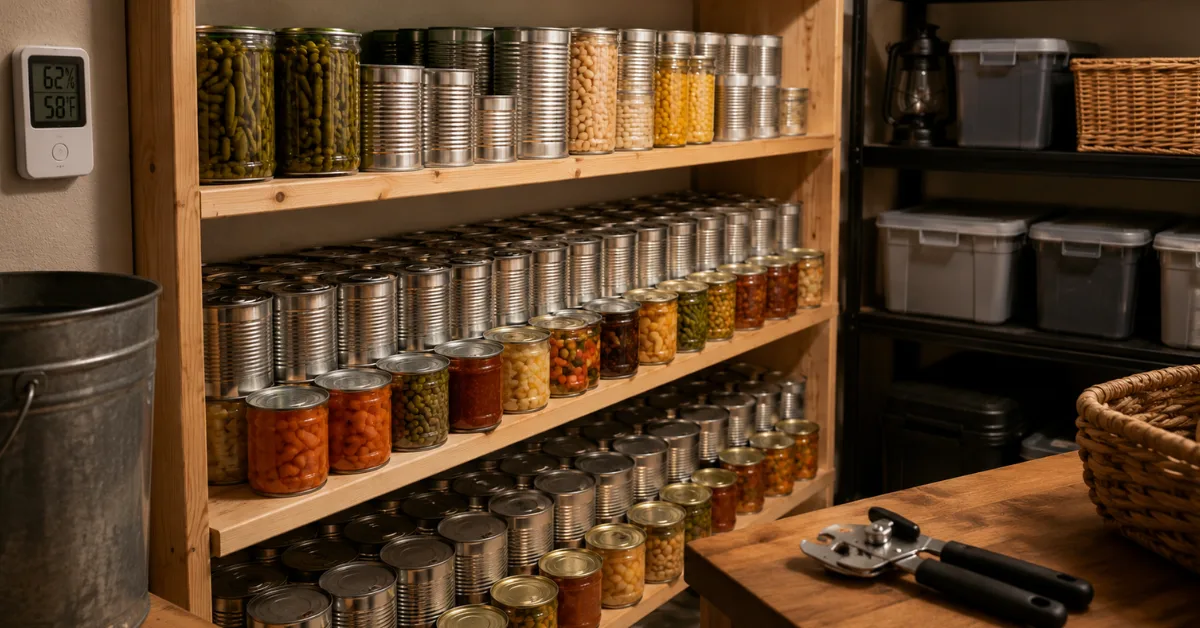
Canned food only becomes a useful emergency supply when it is stored cool, dry, visible and checked regularly.
Learn more
When the power goes out, tap water may also come under pressure. Here is how to secure drinking water while it is still available.
Learn more
When storms and heat knock out the power, the first minutes matter. This plan helps you organize cooling, water, phones, food and safety right away.
Learn more
Heat waves can push power grids close to their limits. A few simple steps can reduce your risk and make a summer outage easier to handle.
Learn more
A power outage does not have to be nationwide to disrupt daily life. This practical guide shows how to react calmly while shopping, driving or at home.
Learn more
A power outage in extreme heat can become risky quickly. This simple plan helps protect water, cooling, light and communication.
Learn more
When grid operators or authorities warn of high demand, calm action matters: charge devices, prepare water, plan cooling and reduce consumption.
Learn more
After a grid problem, restored power is not a signal to start every appliance at the same time. A calm restart protects your home and the grid.
Learn more
When outages are announced or possible, a simple charging plan is better than last-minute panic charging.
Learn more
The first hour of a major outage is the moment to stay calm, save battery power, protect refrigerated food and avoid unnecessary risks.
Learn more
After an earthquake, a power outage is not a normal outage. Check first, switch on later – safety comes before comfort.
Learn more
When power fails in an apartment block, lifts, water pumps, lighting, cooling and neighbours all matter. This plan helps for the first 24 hours.
Learn more
When electricity, internet and cell networks all become unreliable, preparation matters more than a full contact list on your phone. This tip shows how to stay reachable without blindly relying on the network.
Learn more
When the power goes out in extreme heat, cool rooms, water, lighting, communication and neighborly help matter most.
Learn more
When the power suddenly goes out after a storm, the first minutes decide whether the situation stays calm or turns chaotic.
Learn more
A short outage is annoying, but useful. It immediately shows whether light, water, communication and cooling are truly prepared at home.
Learn more
When thunderstorms, flooded roads and heat come together, a local power outage can quickly become uncomfortable. These simple steps help households during the first hours.
Learn more
When thunderstorms damage power lines, preparation matters more than panic. A few simple steps can keep your household safer and more capable.
Learn more
A power outage caused by damaged infrastructure is often confusing at first. This simple plan helps you get through the first hours calmly and safely.
Learn more
A local power outage can happen quickly. This tip explains what matters in the first minutes and what you should avoid.
Learn more
During an early-summer power outage, the first minutes matter. This simple order helps with light, water, cooling, food and communication.
Learn moreNot every power outage is a blackout. Still, simple preparedness makes sense because even smaller outages can quickly disrupt everyday life.
Learn moreWithout electricity, the water supply can also be affected. Anyone who plans drinking water, utility water, and hygiene early avoids stress and risky improvisation.
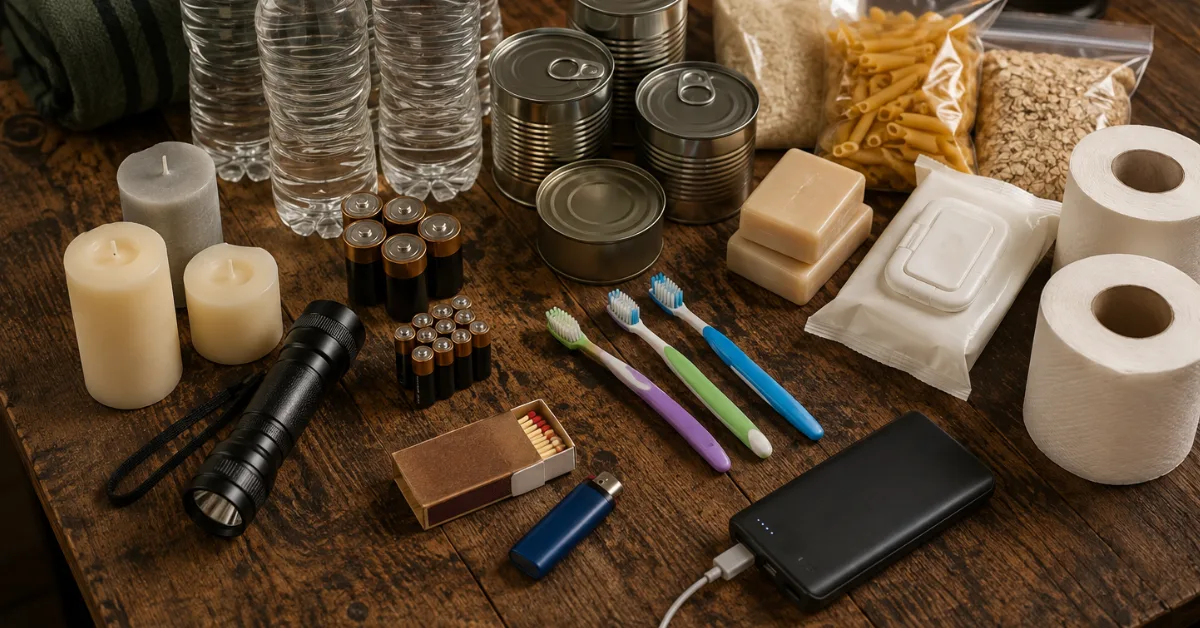
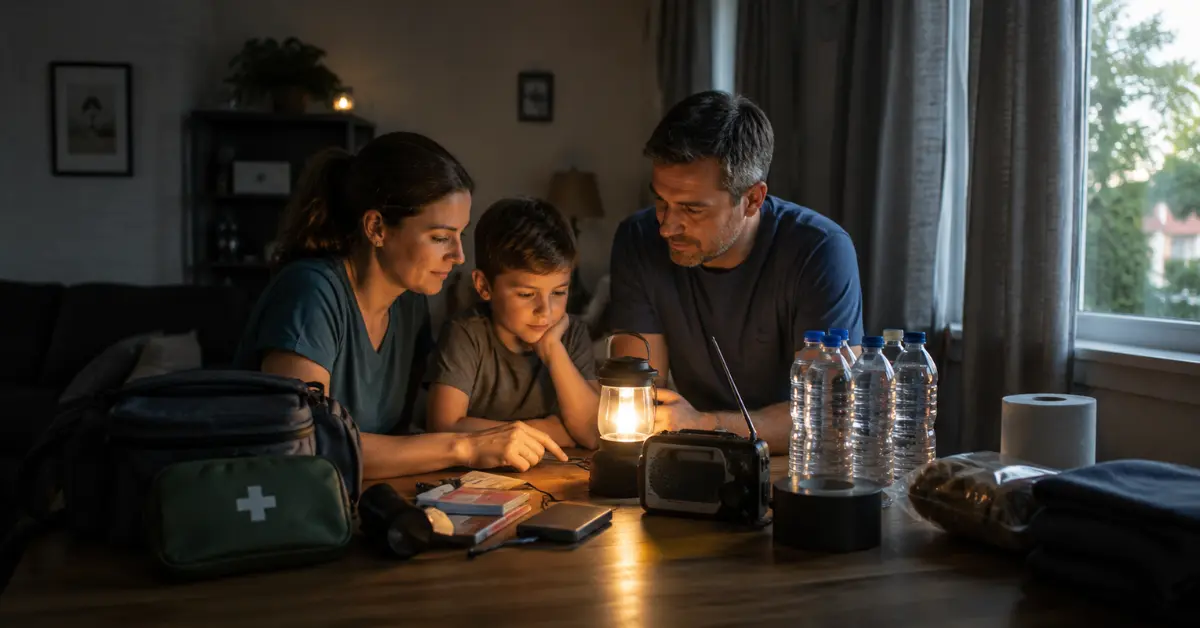
Learn moreA 72-hour emergency supply is the easiest entry point into practical crisis preparedness. It helps during power outages, storms, supply disruptions, or short-term interruptions in everyday life.
Learn more